Storm Damage Water Cleanup Homestead FL Done Right the First Time
IICRC-certified crews extract, dry, and document every storm loss
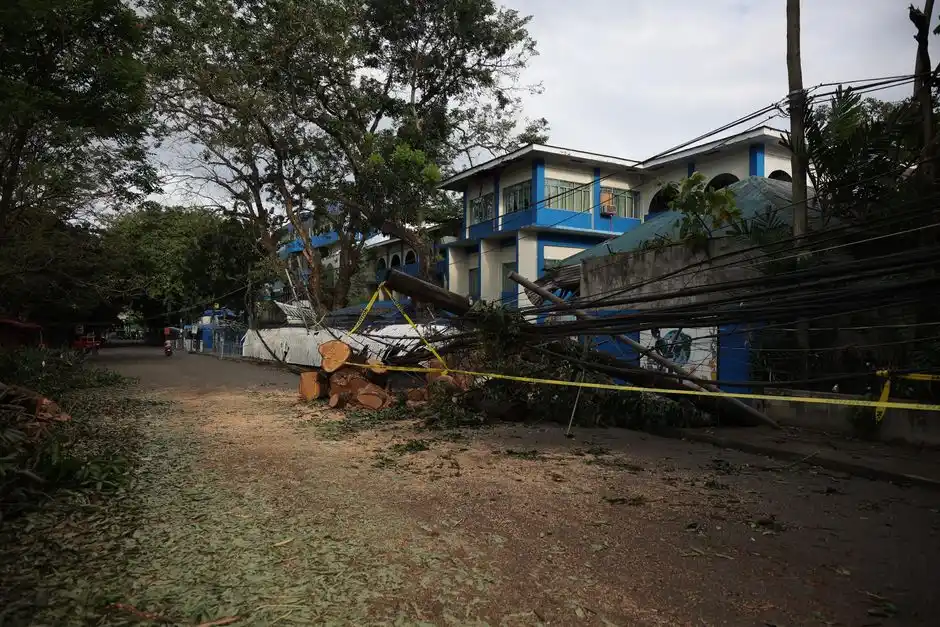
Storm Damage Water Cleanup Homestead FL is what we do when a summer squall, tropical system, or hurricane pushes water through your roof, windows, or slab. Our crews pull standing water, dry the structure, and document everything your insurer needs. We work Miami-Dade County homes and businesses, from Keys Gate to the Krome Avenue Corridor, and we answer the phone 24/7.
Storm Damage Water Cleanup Homestead FL Explained
Storm Damage Water Cleanup Homestead FL is a structured emergency service that removes storm-driven water from a building, dries the materials it soaked, and returns the property to a safe, documented condition. It is not a mop-and-fan job. We use moisture meters, thermal imaging cameras, and water extraction units to find water you cannot see behind baseboards, under hardwood flooring, and inside wall cavities. Then we dry it with dehumidifiers and air movers until readings match a dry standard.
Homestead sits in one of the wettest storm corridors in Florida. Afternoon thunderstorms drop two inches in an hour, and hurricane season runs June through November. Water pushes through roof leaks, window frames, and garage doors, then wicks into drywall and insulation. If you search for storm water removal in Homestead, Florida at 2 a.m., you need a crew that knows the local building stock, not a call center three states away.
Why Homestead Homeowners Call Us First
Storm water does not wait, and neither should you. These are the outcomes our Homestead customers care about most when a storm pushes water into their homes.
Fast Water Extraction
Standing water becomes a mold problem in 24 to 48 hours. Our water extraction units pull hundreds of gallons an hour from carpet, tile, and subfloor. We typically have the bulk water out within the first two hours on site, which stops the damage from spreading into rooms that stayed dry.
Hidden Moisture Found
Water travels. A roof leak in the living room often shows up as a wet ceiling tile in the hallway. We use a moisture meter, thermal imaging camera, and boroscope camera to trace the path and confirm every wet pocket is drying, not just the obvious puddle on the floor.
Insurance Documentation
We build Xactimate-ready documentation with photos, moisture readings, and daily drying logs. That file gives your adjuster the evidence to approve the claim faster. Homestead storm claims move quicker when the paperwork is complete from day one.
Mold Prevention Built In
We treat every storm loss as a mold risk. Antimicrobial application, controlled drying, and a final moisture check with a hygrometer keep mold growth from taking hold. If mold is already present, our IICRC AMRT technicians handle remediation under the same roof.
Our Storm Water Removal Process
Every storm loss is different, but the sequence is the same. Here is what you experience from the first phone call to the final moisture reading.
Emergency Call
You call (645) 654-0721 and reach a live person, not a voicemail. We ask what happened, where the water is coming from, and whether the power is safe. Within minutes we dispatch a crew and give you simple steps to limit damage while you wait.
Inspection and Mapping
On arrival, we walk the property with a moisture meter and thermal imaging camera. We map the wet zone, check for a burst pipe, slab leak, or roof leak as the source, and photograph everything before we move a single piece of furniture. This takes 30 to 45 minutes on a typical home.
Water Extraction
We pull standing water with truck-mounted and portable extraction units, then use weighted extraction on carpet and pad. Hardwood flooring and subfloor get specialty drying mats. Most Homestead homes are dry to the touch within two to four hours of extraction.
Structural Drying
We set Dri-Eaz and Phoenix Restoration Equipment dehumidifiers and air movers to dry wall cavities, baseboards, and ceiling tiles. We monitor with a hygrometer and infrared thermometer daily and adjust equipment until readings hit the dry standard, usually three to five days.
Final Verification
Before we pack up, we re-check every affected material with a moisture meter and confirm the structure is dry. You get a closing report with photos and readings for your insurer. If any material cannot be saved, we document it and coordinate the repair.
Local Experience You Can Verify
Our technicians hold IICRC WRT and ASD certifications, and our remediation team carries IICRC AMRT. We are a Florida DBPR Licensed Contractor and hold a Florida Mold-Related Services License. We work storm losses across Miami-Dade County every hurricane season, from slab-on-grade ranches in Redland to two-story homes in Waterstone. We know how Homestead homes are built and where storm water hides.
- IICRC WRT and ASD certified technicians on every storm water crew
- IICRC AMRT certified for mold remediation when storm water sits too long
- Florida DBPR Licensed Contractor and Florida Mold-Related Services License holder
- Xactimate Certified documentation for faster insurance approvals
- EPA Lead-Safe Certified and OSHA 10 trained for safe demolition and repairs
Why Storm Damage Water Cleanup Homestead FL Customers Pick Us
Storm damage is stressful. We keep the process simple, the pricing upfront, and the communication constant from the first call to the final reading.
24/7 Local Response
Storms do not keep business hours. We answer calls around the clock and dispatch crews across Homestead, Florida City, Leisure City, and Naranja. Most emergency calls in the 33030 and 33035 ZIP codes see a crew within 60 to 90 minutes.
Upfront Pricing
You get a clear scope and price before we start. No surprise line items, no pressure to add services you do not need. We explain what is covered by insurance and what is not, in plain language, before any equipment comes off the truck.
Insurance Claim Support
We document every storm flood cleanup Homestead job with photos, moisture maps, and daily drying logs formatted for Xactimate. That package helps your adjuster approve the claim without repeated site visits or back-and-forth emails.
We Finish the Job
Extraction and drying are only part of the work. We also handle drywall, baseboards, insulation, and flooring repairs so you are not left coordinating three different contractors. One team, one point of contact, one finished home.
What Storm Damage Water Cleanup Includes
Every storm loss we handle in Homestead includes the core emergency and drying work. If your job needs repairs beyond drying, we scope that separately and explain it before we start. Here is what is covered in a standard storm water cleanup.
What's Included
Emergency Water Extraction
We remove standing water from carpet, tile, hardwood flooring, and subfloor using truck-mounted and portable extraction units. Weighted extraction pulls water from carpet and pad, and specialty mats dry hardwood in place when the boards can be saved.
Moisture Detection and Mapping
We trace the full path of the water with a moisture meter, thermal imaging camera, and boroscope camera. You get a moisture map showing every wet zone, which becomes the baseline for daily drying checks and your insurance file.
Structural Drying Setup
We place dehumidifiers and air movers to dry wall cavities, baseboards, ceiling tiles, and subfloor. Equipment runs continuously and we monitor with a hygrometer and infrared thermometer until readings hit the dry standard.
Antimicrobial Treatment
We apply antimicrobial to wet framing, subfloor, and wall cavities to stop mold growth while the structure dries. If mold is already present, our IICRC AMRT technicians scope remediation and handle it under the same project.
Insurance Documentation
We photograph every affected area, log daily moisture readings, and format the file for Xactimate. Your adjuster gets a complete package that supports the claim without repeated site visits or missing evidence.
Storm Water Problems We Solve in Homestead
Storm water causes different problems depending on how it enters and how long it sits. These are the issues we see most often in Homestead homes and businesses, and how we solve them.
Standing water after a storm
Water spreads into dry rooms within hours and starts mold growth in 24 to 48 hours.
We extract standing water with truck-mounted units, pull water from carpet and pad, and set drying equipment the same day. Most Homestead homes are dry to the touch within two to four hours of extraction.
Hidden moisture behind walls
Water trapped in wall cavities and under flooring causes mold, warped hardwood, and structural rot.
We use a moisture meter, thermal imaging camera, and boroscope camera to find every wet pocket. Then we dry the cavity with directed air movers and confirm with a hygrometer before closing the job.
Roof leak soaking ceilings
Sagging drywall and stained ceiling tiles can collapse and drop contaminated water into living spaces.
We tarp the roof, open the ceiling, and extract water from insulation and ceiling tiles. We dry the cavity, replace damaged drywall, and document the loss for your insurance claim.
Slab leak rising through floors
Water under concrete wicks into hardwood flooring and subfloor, causing cupping and mold that spreads quietly.
We detect the leak, extract water, and dry the subfloor with specialty mats. If hardwood flooring cannot be saved, we document it and coordinate replacement with matching material.
When to Call for Storm Water Cleanup
A hurricane pushes rain through a failed window seal and soaks the living room carpet in your Waterstone home.
We extract the carpet and pad, set air movers and a dehumidifier, and check the wall cavity with a moisture meter. We document the loss with photos and daily readings for your insurer.
The carpet and pad are saved, the wall dries in four days, and your claim has complete documentation from day one.
A summer thunderstorm drops two inches in an hour and water backs up through the garage door into your Redland home.
We pull standing water with portable extraction units, dry the concrete and baseboards, and treat the area with antimicrobial. We also check the garage entry point for future prevention.
The garage and adjacent hallway are dry within three days, and you have a clear report of what happened for your records.
A storm-related power surge trips your AC condensate line and water runs down inside the wall of your Downtown Homestead condo.
We find the moisture with a thermal camera, open the drywall, and dry the cavity. We replace the drywall and baseboards and match the paint.
The wall is dry, repaired, and painted to match. You cannot tell the storm ever touched it.
A commercial building near the Homestead-Miami Speedway Area takes on water through a damaged roof during a named storm.
We tarp the roof, extract water from two units, and dry the ceiling tiles and subfloor. We work after hours to keep the business closed for as little time as possible.
The building reopens in three days with dry ceilings, documented repairs, and an insurance file ready for the adjuster.
Tools and Methods We Use
Tools & Equipment
Moisture Meter and Hygrometer
We use these to measure moisture content in drywall, subfloor, and framing, and to confirm when materials hit the dry standard. Daily readings go into your insurance file.
Thermal Imaging Camera
The thermal camera shows temperature differences that reveal hidden moisture behind walls and under floors without tearing anything open. It is how we map the full wet zone.
Water Extraction Unit
Truck-mounted and portable extraction units pull hundreds of gallons per hour from carpet, tile, and subfloor. Weighted extraction heads pull water from carpet and pad.
Dri-Eaz and Phoenix Dehumidifiers
We use Dri-Eaz and Phoenix Restoration Equipment dehumidifiers to pull moisture from the air and dry wall cavities, baseboards, and ceiling tiles after extraction.
Air Movers and Infrared Thermometer
Air movers direct airflow across wet surfaces to speed evaporation. We check surface temperatures with an infrared thermometer to confirm drying is on track.
Boroscope Camera
The boroscope lets us see inside wall cavities and under cabinets without full demolition. It confirms whether a hidden leak is still active or the cavity is drying.
HEPA Vacuum and Ozone Generator
When mold is present, we contain the area, HEPA vacuum affected surfaces, and use an ozone generator to treat the space before reconstruction begins.
Methods
IICRC S500 Standard
We follow the IICRC S500 standard for water damage restoration, which sets the dry standard, monitoring frequency, and documentation requirements. It is the benchmark your insurance adjuster recognizes.
Xactimate Documentation
We build every storm loss file in Xactimate format with photos, moisture maps, and daily drying logs. That structure helps your adjuster approve the claim without repeated requests for more evidence.
Category-Based Response
We classify water as Category 1, 2, or 3 based on contamination. Clean storm water gets a different response than sewage backup, which requires containment, removal, and full disinfection.
Daily Monitoring Protocol
We check moisture readings every day and adjust equipment placement until the structure hits the dry standard. You get a written log of every reading, which becomes part of your claim file.
How Storm Water Cleanup Runs in Homestead
Homestead gets hit from two directions: summer thunderstorms that drop heavy rain in a short window, and hurricane season from June through November. Both push water through roof leaks, window frames, and garage doors. Most homes here are slab-on-grade, so water wicks into baseboards, drywall, and hardwood flooring fast. We also see slab leaks and AC condensate line failures after storm-related power surges. Our crews know the local building stock, from older ranches in Redland to newer construction in Waterstone and Marbella. We follow Florida building code for drying and repairs, and we document every job for Miami-Dade County adjusters. If you need 24/7 storm water removal in Homestead, Florida, we are set up to respond.
Service Areas
Many homes here have tile roofs and stucco walls that shed water fast, but window seals and garage doors are common entry points during named storms.
Older ranch homes on slab foundations often have original hardwood flooring that cups quickly when storm water reaches it. Specialty drying mats help save the boards.
Newer two-story homes can hide water in second-floor wall cavities after a roof leak. We use a thermal camera to trace it before it reaches the first floor.
Mixed commercial and residential buildings near Krome Avenue often share walls, so storm water can travel between units. We map both sides before drying.
Flat roofs and older plumbing make this area prone to ceiling leaks and burst pipes after storm pressure changes. We check the attic and wall cavities on every call.
Local Considerations
Hurricane season runs June through November
Wind-driven rain enters through roof damage and window frames, creating large-volume losses that need extraction and drying the same day.
Slab-on-grade construction is common
Water spreads across the slab and wicks into baseboards, drywall, and hardwood flooring, so we dry the perimeter and subfloor, not just the visible puddle.
High year-round humidity
Drying takes longer than in drier climates, so we run dehumidifiers continuously and monitor with a hygrometer until readings hit the dry standard.
Afternoon thunderstorms drop heavy rain fast
Water can enter through garage doors and patio doors in minutes, so we prioritize extraction to stop it from spreading into dry rooms.
Hurricane Rain Soaks Keys Gate Home
A named storm pushed rain through a failed window seal and soaked the living room carpet and pad. Water spread into the hallway and reached the baseboards in two bedrooms. The homeowner called us at 11 p.m. with standing water on the tile.
We extracted 40 gallons of water, pulled the carpet and pad, and set air movers and a dehumidifier. Daily readings showed the baseboards and subfloor dry in four days. The carpet was saved and reinstalled, and the claim was approved without a second visit.
Maintenance & Follow-up
We recommended resealing the window frame before the next hurricane season and checking the seal each spring. A $40 tube of waterproof sealant prevents a repeat loss.
Storm winds lifted shingles and rain entered the attic of a Downtown Homestead condo. Water stained two ceiling tiles and dripped into the living room. The homeowner noticed a sagging ceiling the next morning and called us.
We tarped the roof, opened the ceiling, and extracted water from the insulation. The cavity dried in three days, and we replaced the ceiling tiles and insulation. Moisture readings confirmed the framing was dry before we closed the ceiling.
Maintenance & Follow-up
We advised a roof inspection before hurricane season and a moisture check after any major storm. Catching a roof leak early keeps ceiling repairs under $500.
A slab leak pushed water up through the concrete floor of a Redland ranch home. The original hardwood flooring started cupping within a day, and the baseboards were wet. The homeowner found us searching for affordable storm water removal Homestead.
We detected the leak, stopped the water, and dried the subfloor with specialty mats. The hardwood dried flat over five days, and we replaced two baseboards. The homeowner avoided a full floor replacement that would have cost thousands.
Maintenance & Follow-up
We suggested a slab leak inspection every two years and a moisture check after any plumbing repair. Early detection keeps hardwood flooring out of the landfill.
Storm Damage Water Cleanup Pricing
Typical 2026 pricing for storm water cleanup in Homestead runs $1,200 to $4,500 for most residential jobs. A single-room extraction and dry-down often lands near the low end. Whole-home flooding with hardwood flooring and drywall removal pushes toward the high end. We give you a written scope and price before work begins, and we document everything for your insurance claim. If you are searching for affordable storm water removal Homestead, call us for a straight answer.
Pricing Factors
Volume of Water
A few inches in one room costs far less than two feet across a whole floor. We measure the affected area and estimate gallons before quoting, so the price reflects the actual work.
Affected Materials
Carpet and pad are cheaper to dry than hardwood flooring, which needs specialty mats. Drywall and insulation that have to be removed and replaced add to the total.
Contamination Category
Clean storm water is Category 1. Sewage backup and toilet overflow are Category 3 and require containment, removal, and disinfection, which adds labor and disposal costs.
Drying Time
Most jobs dry in three to five days. High humidity or thick materials can extend that to seven days, which adds equipment rental and monitoring time to the invoice.
Repair Scope
Extraction and drying are one phase. Drywall, baseboards, insulation, and flooring repairs are scoped separately so you see exactly what each part costs before we start.
Investment Range
$1,200 - $4,500 depending on scope
Based on project scope
Value You Get
The price covers emergency extraction, structural drying, daily monitoring, and a complete insurance file. Catching the loss early keeps the cost down and protects your flooring, drywall, and air quality.
How much does storm damage water cleanup cost in Homestead FL?
Most residential storm water cleanup jobs in Homestead run $1,200 to $4,500 in 2026, depending on how much water entered and how many rooms are affected. A single-room extraction and dry-down often lands near the low end. Whole-home flooding with hardwood flooring and drywall removal pushes toward the high end. We give you a written scope and price before work begins.
Who offers storm water removal near me in Homestead?
ClearWave Restoration offers 24/7 storm water removal in Homestead, Florida and across Miami-Dade County. We are locally based, IICRC certified, and equipped for both residential and commercial losses. Call (645) 654-0721 and a live dispatcher will send a crew to your address, whether you are near Baptist Hospital District or out by the Homestead-Miami Speedway Area.
Does insurance cover storm damage water cleanup in Homestead?
Yes, most homeowner policies in Florida cover sudden storm water damage, including hurricane-driven rain intrusion, roof leaks, and burst pipe losses. We document every job with photos, moisture readings, and Xactimate-formatted drying logs so your adjuster has what they need. We work directly with your carrier and can bill many claims directly.
How long does storm damage water cleanup take in Homestead?
Extraction usually takes two to four hours. Structural drying runs three to five days on a typical Homestead home, with daily monitoring. If materials like drywall, insulation, or hardwood flooring have to be removed and replaced, add three to seven days for repairs. We give you a realistic timeline after the initial inspection, not a guess over the phone.
Licensed, Certified, and Local
Certifications
Reviews
ClearWave handled our storm water cleanup in Homestead after a hurricane. They arrived fast, extracted the water, and dried everything in four days. The insurance documentation was complete and our claim was approved without a fight.
We had a roof leak during a storm and water was dripping through the ceiling. The crew tarped the roof, dried the attic, and replaced the ceiling tiles. Professional, on time, and the price matched the quote.
A slab leak soaked our hardwood floors in Redland. ClearWave saved the flooring with specialty drying mats and replaced two baseboards. They explained every step and kept us updated daily.
Our commercial building near Krome Avenue took on water during a storm. ClearWave worked after hours to keep us open and documented everything for our claim. Highly recommend for any Homestead business.
Related Services
Water Damage Cleanup
Water Damage Cleanup covers the full scope of removing water, drying materials, and restoring your Homestead property. It is the parent service behind every storm loss we handle, from a small ceiling leak to a whole-home flood.
Water Damage CleanupEmergency Water Removal
Emergency Water Removal is the first phase of storm response. When a storm pushes water into your Homestead home, our crew extracts standing water fast to stop it from spreading into dry rooms and to reduce mold risk.
Emergency Water RemovalFlood Damage Restoration
Flood Damage Restoration handles the repair side of a storm loss, including drywall, insulation, baseboards, and flooring. After we extract and dry, this service returns your Homestead home to its pre-storm condition.
Flood Damage RestorationWater Extraction
Water Extraction uses truck-mounted and portable units to pull hundreds of gallons per hour from carpet, tile, and subfloor. It is the step that stops storm water from wicking further into walls and floors in Homestead homes.
Water ExtractionStructural Drying
Structural Drying uses dehumidifiers and air movers to dry wall cavities, baseboards, and subfloor after extraction. We monitor daily with a hygrometer until every material hits the dry standard, typically in three to five days.
Structural DryingWater Damage Mitigation
Water Damage Mitigation is the emergency work that limits how far storm water spreads. We board up roof openings, tarp damaged sections, and stop active water intrusion before full cleanup begins in Homestead.
Water Damage MitigationWater Damage Inspection
Water Damage Inspection uses a moisture meter, thermal imaging camera, and boroscope camera to find hidden moisture after a storm. It is how we confirm a Homestead home is fully dry before we close the job.
Water Damage InspectionResidential Water Damage Restoration
Residential Water Damage Restoration covers single-family homes, townhomes, and condos across Homestead. From slab-on-grade ranches in Redland to two-story homes in Waterstone, we tailor the drying plan to how your home is built.
Residential Water Damage RestorationCommercial Water Damage Restoration
Commercial Water Damage Restoration handles storm losses at Homestead businesses, from Krome Avenue Corridor storefronts to warehouses near the Speedway. We work after hours to keep your doors open and your downtime short.
Commercial Water Damage RestorationHurricane Water Damage Restoration
Hurricane Water Damage Restoration is built for the wind-driven rain and storm surge that hit Homestead during hurricane season. We pre-stage equipment and prioritize occupied homes and businesses when a named storm makes landfall.
Hurricane Water Damage RestorationBurst Pipe Water Damage Restoration
Burst Pipe Water Damage Restoration handles the sudden pipe failures that follow pressure changes during storms. We locate the break, stop the water, extract, and dry before mold growth takes hold in your Homestead home.
Burst Pipe Water Damage RestorationPlumbing Leak Water Damage Restoration
Plumbing Leak Water Damage Restoration covers slow leaks behind walls and under cabinets that storm season often exposes. We find the source with a boroscope camera, dry the cavity, and document the loss for your insurer.
Plumbing Leak Water Damage RestorationSlab Leak Water Damage Restoration
Slab Leak Water Damage Restoration addresses water rising through concrete floors, a common issue in Homestead's slab-on-grade homes. We detect the leak, extract, and dry the subfloor with specialty mats to protect hardwood flooring.
Slab Leak Water Damage RestorationRoof Leak Water Damage Restoration
Roof Leak Water Damage Restoration starts when storm winds lift shingles and rain enters the attic. We tarp the roof, extract water from ceiling tiles and insulation, and dry the structure before mold can grow.
Roof Leak Water Damage RestorationCeiling Water Damage Restoration
Ceiling Water Damage Restoration handles sagging drywall, stained ceiling tiles, and trapped water after a roof leak. We open the ceiling, dry the cavity, and replace damaged material so your Homestead home looks untouched.
Ceiling Water Damage RestorationAppliance Leak Water Damage Restoration
Appliance Leak Water Damage Restoration covers water heaters, washing machines, and dishwashers that fail during storm-related power surges. We extract, dry, and document the loss so your claim moves quickly.
Appliance Leak Water Damage RestorationWater Heater Leak Cleanup
Water Heater Leak Cleanup handles the puddle that becomes a flood when a tank fails. We extract standing water, dry the surrounding drywall and baseboards, and check for hidden moisture behind the unit.
Water Heater Leak CleanupWashing Machine Leak Cleanup
Washing Machine Leak Cleanup addresses supply line failures that soak laundry rooms and adjacent hallways. We pull water from tile and subfloor, then dry the space to prevent mold growth in Homestead's humidity.
Washing Machine Leak CleanupDishwasher Leak Water Damage Restoration
Dishwasher Leak Water Damage Restoration handles water that seeps under cabinets and into flooring. We extract, dry, and check the cabinet base with a moisture meter before we close the job.
Dishwasher Leak Water Damage RestorationAC Leak Water Damage Restoration
AC Leak Water Damage Restoration covers condensate line clogs and pan overflows that soak ceilings and walls. In Homestead, AC systems run year-round, so these leaks can go unnoticed until damage is visible.
AC Leak Water Damage RestorationToilet Overflow Cleanup
Toilet Overflow Cleanup handles contaminated water that requires antimicrobial treatment, not just drying. We remove affected materials, sanitize, and dry to protect your Homestead home from bacteria and mold.
Toilet Overflow CleanupSewage Backup Cleanup
Sewage Backup Cleanup is a Category 3 loss that needs full containment and disinfection. We remove contaminated materials, treat the area, and dry the structure to make your Homestead home safe again.
Sewage Backup CleanupBasement Water Damage Restoration
Basement Water Damage Restoration handles below-grade flooding, common in older Homestead properties. We extract, dry, and treat for mold, then check the foundation for the entry point.
Basement Water Damage RestorationCrawl Space Water Damage Restoration
Crawl Space Water Damage Restoration addresses standing water under raised homes, a frequent issue after heavy storms. We pump out water, dry the joists and subfloor, and treat for mold growth.
Crawl Space Water Damage RestorationHardwood Floor Water Damage Restoration
Hardwood Floor Water Damage Restoration uses specialty drying mats to save boards when storm water reaches them. If cupping is too severe, we document the loss and coordinate replacement.
Hardwood Floor Water Damage RestorationDrywall Water Damage Restoration
Drywall Water Damage Restoration covers the cut-and-replace work when storm water wicks above the baseboard line. We remove saturated drywall, dry the cavity, and install mold-resistant drywall on the repair.
Drywall Water Damage RestorationMold Remediation
Mold Remediation handles growth that starts when storm water sits more than 48 hours. Our IICRC AMRT technicians contain the area, remove affected material, and treat with an ozone generator and HEPA vacuum.
Mold RemediationMoisture Detection Services
Moisture Detection Services uses a moisture meter, thermal imaging camera, and hygrometer to find water you cannot see. It is how we confirm a Homestead home is dry before we remove equipment.
Moisture Detection ServicesWater Damage Insurance Claim Documentation
Water Damage Insurance Claim Documentation packages photos, moisture maps, and Xactimate-formatted drying logs for your adjuster. Complete files help Homestead storm claims get approved faster.
Water Damage Insurance Claim DocumentationWhat Homestead Customers Say
Real experiences from customers who chose our Storm Damage Water Cleanup services
"A tropical storm pushed water under our front door and soaked the hallway carpet. ClearWave arrived in about an hour, pulled the water, and set up fans and a dehumidifier. They checked with a moisture meter every day and gave us a full report for the insurance claim. Everything was dry in four days and we did not have to replace the carpet."
Maria G.
Homeowner, Keys Gate
"We manage a small retail building near Krome Avenue and a storm tore up part of the roof. ClearWave tarped it, extracted water from two units, and dried the ceiling tiles before mold could start. Their Xactimate documentation made the claim easy. They handled a commercial loss like it was their own building."
Darnell W.
Property Manager, Downtown Homestead
"Our AC condensate line clogged during a storm and water ran down inside the wall. ClearWave found the moisture with a thermal camera, opened the drywall, and dried the cavity. They replaced the drywall and baseboards and matched the paint. You cannot tell anything happened. Fair price and no surprises."
Lourdes P.
Homeowner, Waterstone
Need Storm Damage Water Cleanup Homestead FL Now?
Every hour counts after a storm. Our IICRC-certified crews are on call 24/7 across Miami-Dade County and ready to extract, dry, and document your loss. Call (645) 654-0721 and we will dispatch a team to your Homestead address.